
Anúncios
You’re seeing a clear trend: a renewed interest in classic play is growing because nostalgia meets modern convenience. Services, mini consoles, and remasters make it easy to jump in without hunting for old hardware.
Accessibility is the big story this year. Platforms like Nintendo Switch and curated collections let you save anytime and enjoy sharper video on OLED screens. That makes revisiting titles feel smoother than it did years ago.
The shift isn’t only about fond memories. Developers borrow simple loops and readable design to build fresh hits that feel familiar. Indie successes and arcade compilations show how timeless mechanics still click with today’s players.
For you, that means less fuss and more play. Whether you stream a classic, plug in a mini system, or download a compilation, the experience is built to respect your time and spark community conversations among gamers.
The 2026 landscape: Why you’re seeing retro gaming everywhere today
Social feeds and live streams have turned classic titles into daily conversation starters. You see short clips, speedruns, and reaction videos that push older material into your recommendations today.
On your console, services like Nintendo Switch Online put NES, SNES, and Genesis libraries a button away. The Nintendo Switch and similar consoles make hopping into a favorite from The Legend of Zelda feel as simple as launching any new release.
Digital storefronts — the eShop and PlayStation Store — resell legacy titles so players can buy or demo with no hunting. Streamers keep the loop alive by showing speedruns and first-time plays that inspire viewers to try titles themselves.
- Simplicity and tight mechanics fit short sessions and casual play.
- Portable consoles turn classic play into a natural part of daily life.
- Online communities share tips, clips, and nostalgia across platforms.
So, you’re not just remembering these moments — you’re experiencing them again, in feeds, stores, and living rooms across the U.S.
What’s fueling the retro games comeback
A big part of the surge comes from how memories and soundtracks can drop you back into a single moment. You hear an overworld theme and time bends — a tiny cue brings an afternoon of play rushing back.
Nostalgia that feels like time travel: from Super Mario to The Legend of Zelda
Nostalgia anchors this trend. A short tune or a familiar stage layout can send you back to the past in seconds.
Touchstones like Super Mario Bros., Mario Bros., and Legend Zelda create shared reference points. Those moments inspire you to replay and to share clips with friends.
Simple, satisfying gameplay loops over complex systems
You prefer play that respects your attention. The simplicity of old-school design delivers tight controls and clear goals.
Simplicity matters: short sessions still feel earned. The gameplay rewards reflexes and pattern learning, not long tutorials or grinding.
New generations discovering classics through modern access
Young players find these titles on libraries, mini systems, and digital stores. That steady access turns discovery into a constant on-ramp.
Across generations, this shared access spreads love for handcrafted levels and teaches fundamentals that carry into modern genres. Video clips and streams then pull even more people in.
- Familiar music sparks instant recall.
- Readable design makes progress feel fair.
- Modern libraries help new players find old games quickly.
How modern tech brings old-school games to your couch (and pocket)
Today’s tech stitches old-school design into modern convenience so you actually play more.
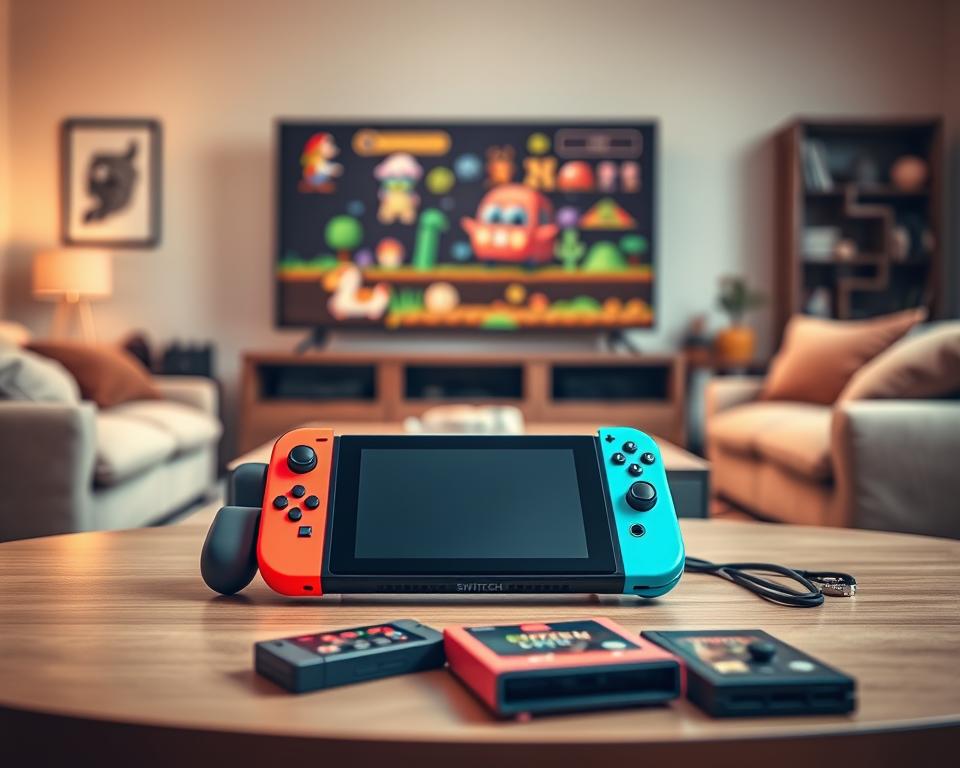
Services like Nintendo Switch Online host rotating NES, SNES, SEGA Genesis, and Game Boy libraries. You can launch these collections in seconds and skip the fuss of cartridges or cables.
Nintendo Switch and online libraries
The hybrid design lets you move a session from TV to handheld without breaking momentum. If you like nintendo switch portability, short loops fit commutes and couch time alike.
Mini consoles and emulators
Plug-and-play systems such as the NES Classic Edition and Sega Genesis Mini use HDMI and curated menus. Emulators add options when official rereleases lag, but curated services often feel most polished.
Storefronts, collections, and quality-of-life updates
Digital storefronts and bundles surface rare titles so you stop hunting on auction sites. Save states, remappable inputs, and OLED clarity make mechanics fairer and graphics pop while keeping original art intact.
“Collections compress whole eras into a single download, so sampling multiple titles takes minutes, not weeks.”
| Platform | Ease of Setup | Library Type | QoL Features |
|---|---|---|---|
| Nintendo Switch | Seconds via services | NES/SNES/Genesis/Game Boy | Save states, cloud, handheld |
| Mini Consoles | HDMI plug-and-play | Curated classics | Simple menus, instant load |
| Digital Stores | Download in minutes | Remasters & collections | Updates, controller support |
Retro DNA in today’s game design and releases
Look closely at many new indies and you’ll see classic design principles shaping how you play today.
Developers lean on pixel art, chiptunes, and tight mechanics to make gameplay feel immediate. These choices keep controls readable and reward quick learning over long tutorials.
Indie developers embracing pixel art, chiptunes, and tight mechanics
Small teams often use a pared-down aesthetic to focus on feel. That lets game developers polish input buffering, checkpoints, and frame-perfect mechanics.
Shovel Knight is a prime example: Yacht Club Games turned a single idea into years of content while keeping the difficulty fair and the play responsive.
Genre revivals: beat-’em-ups and arcade-style design that still hit
Beat-’em-up design proved durable when TMNT: Shredder’s Revenge added six-player co-op and online stability. The result keeps the arcade pacing but removes hardware headaches.
Standout examples that show how classic systems evolve
Collections like the Marvel vs. Capcom Fighting Collection Arcade Classics let you sample multiple titles and study how different studios tuned combat systems.
Indies such as Stardew Valley and Celeste use retro visual language while adding modern polish, showing you can honor the past without being stuck in it.
- Why it matters: developers mine short levels and instant feedback to boost retention.
- How you benefit: familiar moves from titles like Super Mario or Donkey Kong make new entries feel intuitive.
- What to try next: check collections or modern indies to see how classic mechanics shape contemporary play.
“Designs that favor clarity and skillful play still win players’ attention across platforms and years.”
For a deeper look at how classic design influences modern role-playing titles, see this evolution of RPGs discussion.
Community, culture, and the business of classics
From Twitch raids to convention auctions, the scene around older titles is more active than ever.
Online communities keep discovery alive. You watch a speedrun, try the route, then clip your run and post it. That cycle draws more players and turns single-player play into a social ritual.
Online communities, streaming, and social nostalgia loops
Streams and forums seed challenges and trade tips. Players organize tournaments, longplays, and challenge runs that highlight hidden depth in classic games.
Collecting, conventions, and the rising value of physical cartridges
Collectors hunt original cartridges, boxes, and manuals. At conventions and auctions, rare items can command high prices and make collecting both a hobby and an investment.
Companies also play a role. Catalog refreshes, bundled titles, and services like nintendo switch libraries prove publishers can profit while respecting original gameplay. New entries in long-running series — from super mario to fresh takes on platform staples — show developers balance nostalgia with change.
“You watch a video, try a level yourself, then post a clip — that loop keeps interest high.”
| Community Action | What You See | Business Response |
|---|---|---|
| Streaming & speedruns | Longplays, clips, challenges | Curated bundles and reissues |
| Collecting | Auctions, conventions, valuation | Limited drops and remasters |
| Player events | Tournaments, shared tactics | Support for online play and leaderboards |
For more on industry trends and media coverage, read this industry report.
Conclusion
Simple design and clear goals keep pulling players in. When you want a game that respects your time, short loops and tight controls deliver a full experience in minutes or an evening.
The community energy—streams, clips, and shared tips—keeps discovery fresh. You’ll find restored titles, indie homages, and new spins on favorites like Donkey Kong that feel both familiar and new.
Expect this trend to stick. As QoL updates and wide access improve graphics and save systems, you get comfort and challenge in one package. The result: retro games remain a living part of gaming life you’ll love returning to.