Anúncios
You can make your day feel calmer and more useful by choosing what truly matters and removing noise. This approach isn’t about owning as little as possible; it’s about shaping your life to match your values. Small actions, repeated over years, add up.
Try tiny, practical steps: keep one surface clear, pause before a purchase, or box duplicates for 30 days. These moves lower stress, cut decision fatigue, and free attention for people and projects you care about.
Use this short list as a starting point. Adopt a simple meal rotation, aim for an emergency fund near $1,000, or test a no-buy month. Slow change is more sustainable when you balance family and health.
Start today with one clear action. Over time, these choices become a way of living that brings more focus, money saved, and room for what matters. For tips on avoiding burnout while you simplify, see this guide.
Quick wins to boost your day right now
You can lift your mood in minutes by creating a single tidy corner you own. This small change gives you a visual sanctuary each day and helps you feel in control of your time and space.
Create one clutter‑free zone to reset your mood
Pick one surface in your home — a nightstand, kitchen counter, or an entry table. Clear it fully and keep a short list of allowed items so random things do not drift back in.
Try the box exercise: walk through your rooms with a box, collect duplicate items and tuck them away for 30 days. If you do not miss an item, donate it. This simple pass makes clear what you actually use and frees visible space.
Say no to one nonessential commitment to reduce stress
Saying no to one invitation or task this week gives you back hours. Use that reclaimed time for rest, a short walk, or a small project that matters to you.
- Clear one surface completely to prove you can control the clutter and change how a room feels.
- Keep an allowed-items list (for example: lamp and a book) to protect that zone.
- Box duplicates (spare chargers, extra spatulas) and hide them for 30 days to test what you need.
- Set a two-minute micro-routine morning and night to keep the zone tidy.
- When stress spikes, put three things back, wipe the surface, and take one slow breath.
| Quick Win | How to Do It | Result in One Day |
|---|---|---|
| Clutter-free zone | Clear one surface and list allowed items | Visible calm and less visual noise |
| Box duplicates | Collect duplicate items, hide for 30 days | More usable space without hard decisions |
| Say no once | Decline one nonessential invite or task | Reclaimed time and lower stress |
Simplify your closet for calmer mornings
Start by trimming your closet to a reliable set of go‑to outfits that remove morning guesswork. Narrowing what you own makes choices faster and reduces shopping friction. A capsule approach focuses on versatile, timeless pieces that work together.
Build a capsule wardrobe to cut decision fatigue
Create a core of neutral basics and a few signature pieces so getting dressed takes minutes. Track what you reach for most to ensure new purchases add real value instead of becoming unworn things.
Try Project 333 as a low‑risk experiment
Set aside 33 items for three months (clothes, shoes, jewelry, accessories) and see how it feels. Or run a one‑week closet test: wear a small rail of outfits you love to preview the ease of a capsule.
Choose quality over quantity to save money over time
Focus on durable fabrics and good construction. While the sticker price can be higher, pieces that last for years often save money compared with replacing flimsy items. Pack half your trip or repeat outfits during the week to test the change before you commit.
Declutter your space and schedule the minimalist way
Start by carrying a simple box from room to room and gathering any duplicate items. Label the box, stash it out of sight, and test for 30 days. If you don’t miss an item, donate it.
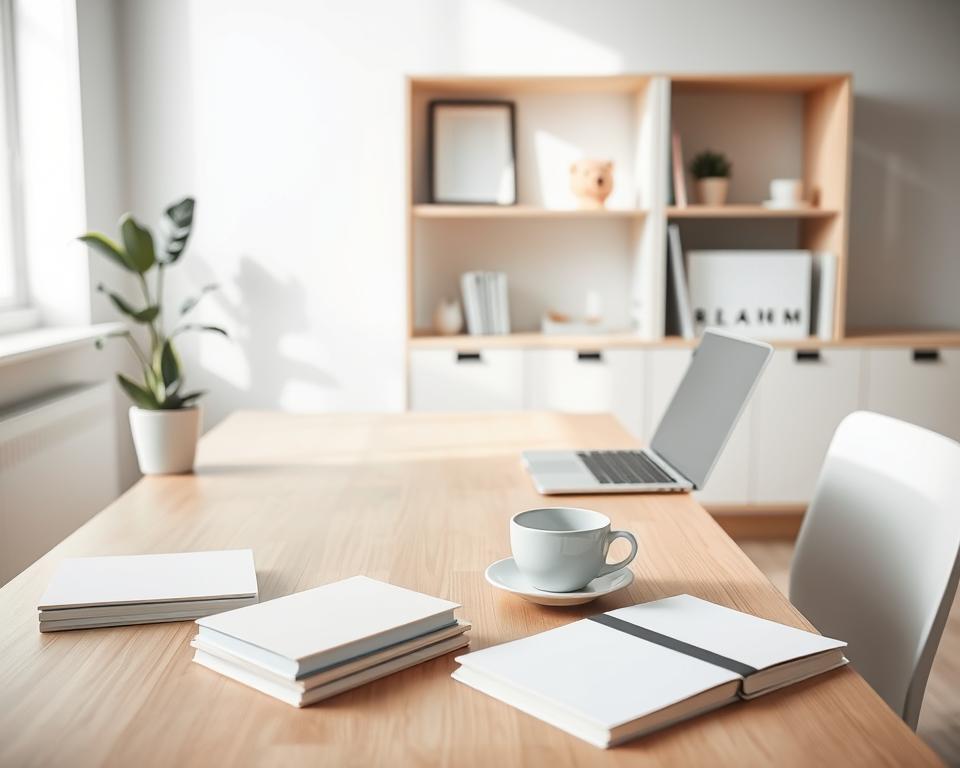
Box up duplicates and hide them for 30 days
Walk your home and collect extras—spare chargers, backup tools, repeated toys. This quick test reduces decision pressure and shows what your home truly needs.
Seasonal sweep: edit decor, kids’ items, and room hotspots
When you rotate decor or kids’ gear, do a fast edit. Focus on entryways, kitchen counters, and toy corners to keep changes manageable and meaningful.
Break projects into tiny steps to avoid burnout
Shrink tasks by scope: one shelf, one drawer, or a ten‑minute timer. Small wins add up and protect your time and energy.
Value experiences over stuff when making space
Choose meals with family, hikes, or game nights instead of more purchases. Research shows experiences create longer happiness and free up physical space.
- Assign homes for everyday stuff—hooks for bags and a tray for mail.
- Keep a donate box by the door and drop off monthly to lower friction.
- Invite kids to fill a small box of toys they no longer use and celebrate with an activity.
| Action | How to do it | Quick result |
|---|---|---|
| Box test | Collect duplicates, label, store for 30 days | Clearer home and fewer regrets |
| Seasonal sweep | Edit decor, clothes, and kids’ items during rotation | Faster editing and less buildup |
| Micro projects | Work one shelf or ten minutes at a time | Steady progress without burnout |
| Experience-first choice | Swap a purchase for a family outing | More lasting joy and open space |
Spend with intention: habits that curb clutter and save money
Make each buy intentional to stop impulse shopping before it starts. Before you purchase, ask if the item solves a real problem or if that money could serve you better saved or used elsewhere.
Pause before you purchase and ask if the item adds real value
Use a 24-hour rule or keep a want-to-buy list for items you feel drawn to. Waiting helps you spot impulse urges and avoid regrets.
Shop preloved first: clothes, kids’ gear, tech, and home items
Check platforms like eBay or Vinted and local groups. You often find like-new possessions at a fraction of retail price, which can help the environment and help you save money.
Run a no‑buy month to reset shopping triggers
Set clear rules and allowed essentials for the month. Reflect daily to discover what sparks your shopping and which urges pass.
Build a simple emergency fund to reduce financial stress
Start toward a $1,000 buffer (try a 52-week challenge). With a small fund, you cut day-to-day money pressure and curb urgent buys that create clutter.
- Pause before every purchase and ask if the item adds lasting value.
- Search preloved first for many categories to save money and limit new things.
- No‑buy month reveals triggers and frees budget over months ahead.
- Track total cost of ownership so cheap purchases don’t cost more in time, storage, or returns.
Minimalist habits lifestyle
Choose a single, values-led priority each morning and protect it with a simple boundary, like a calendar block or an early start. This small choice helps you step off the hustle treadmill and invest your best time where it matters.
Align your time with your values, not hustle culture
Decide which commitments get your best hours and which can go. Say no to one item this week and notice the extra space it creates.
Track your energy across the week so high-focus work lands in your prime hours and rest protects life outside tasks.
Question upgrades: are you improving life or just buying new stuff?
Ask before you replace: does this improve your life or distract you? Often what you own still works—keep the current laundry basket as a simple example.
Practice the 90% rule: aim for consistency over perfection, pick a tiny weekly reset, and let these habits evolve over years as your family and work change.
- Set one clear daily priority and guard it.
- Use a short reflection to keep choices value-driven.
- Measure success by how your life feels, not how many tasks you finish.
Protect your attention: declutter media, tech, and routines
Guard your focus by trimming the digital noise that steals your time. Turn off nonessential notifications, set inbox rules, and block unplugged hours so you get long stretches of deep work and calm.
Limit digital distractions
Batch-check messages and let many alerts sleep. When you compress checks, you reclaim time and feel less pulled in by every ping.
Unfollow, unsubscribe, and slow shopping impulses
Unfollow accounts that spark impulse buying and unsubscribe from promotional media that flood your inbox. Move tempting shopping apps off the front page and remove saved cards so each item requires a pause.
Simple meals and one anchor routine
Use a short meal rotation—same breakfast, a go-to lunch, and two or three dinners—to cut decision fatigue and lower stress.
Pick one anchor routine (morning or evening) with three steps: water, plan, reset. This small ritual builds momentum and steadies your week.
- Keep a short list of focus modes to toggle notifications fast.
- Do a 15-minute digital sweep weekly to clear downloads and duplicate photos.
- Create device-free blocks with the people you love to protect real attention and space.
Conclusion
A few deliberate moves today can reshape your home and free hours in your week.
Start small: box extras for 30 days, try a capsule or run a no‑buy month, and pause before shopping. These steps reduce clutter, save money, and give you more time for people and experiences.
You treat minimalism as a practical toolkit, not a rulebook. Keep a short list of next actions—finish your capsule wardrobe, cancel two subscriptions, or plan three repeat dinners—to keep momentum real.
Test changes kindly: one box, one month, one room. Over months and years you’ll notice less noise and more of the things that make your life calmer and fuller.