Anúncios
Pick the right tool fast. You’ll get a clear, bird’s-eye view of today’s best sleep tracker apps so you can match features, devices, and budget to your goals.
We test real products and explain what matters. SleepScore stands out for easy setup, transparent science, sonar-based tracking, goal coaching, and a smart alarm. Sleep Cycle, Pillow, Calm, PrimeNap, SleepWatch, and Sleep Reset each bring different strengths for phones or watches.
Quick read, practical outcomes. You’ll see how these tools compare on smart alarms, stage breakdowns, wind-down features, and data quality. That way you know what to expect night after night and which app to try first.
For a deeper comparison of tested selections, check this detailed guide from Wirecutter: best sleep-tracking app review.
Why tracking your sleep matters more than counting hours
How you move through night stages often tells you more than a simple total hours number. You want consistent cycles of light, deep, and REM if you hope to wake feeling restored.
Quality beats quantity. Experts note that deep phases are crucial for physical recovery and memory consolidation. Testers and clinicians agree: raw time in bed is only part of the picture.
What tracking reveals:
- You can spot patterns behind good and bad nights and use that data to change routines for better health.
- Most tools estimate stages from motion and sound, so use them for trends and coaching — not diagnosis.
- Wearables often add heart and respiratory signals, giving richer context than phone-only measurement.
- Keep curiosity in check: overanalyzing metrics can make it harder to relax and fall asleep.
In a recent U.S. survey, nearly a quarter of people made positive changes after tracking. Use what you learn as practical advice, not a verdict.
sleep tracker apps
A month-long test of eight leading tools showed which ones balance ease, features, and reliable nightly data.
What you’ll get:
- A plain-English look at what sleep tracking can and can’t do, so your expectations match the tool you pick.
- Clear differences in how trackers collect data — phone microphones and accelerometers versus watch sensors — and why that matters for quality.
- Which features actually move the needle for you, from stage estimates and smart alarms to snore detection and trend reports.
Quick start tips: place your phone on the nightstand near your head, start sessions a few minutes before lights-out, and keep a consistent bedtime for cleaner tracking results.
| Method | Signals | Typical quality |
|---|---|---|
| Phone sensors | Microphone, accelerometer | Good for trends; audio helps snore detection |
| Wearable sensors | Heart rate, motion, respiration | Higher fidelity for stage estimates and physiology |
| Hybrid | Phone + watch sync | Best balance of convenience and data quality |
How to choose a sleep app that fits your goals and devices
Match the features you need with the hardware you’ll wear or place on your nightstand. Start by naming one clear goal: more restorative mornings, fewer awakenings, or better routines. That focus guides which features matter.
Core features to prioritize: pick stage estimates, a smart alarm that wakes you during lighter rest, and integrations that collect health data in one place. Those three help improve sleep and make insights usable.
Tracking method
Phone-based sonar (SleepScore) and microphone methods work well for trends and need correct phone placement. Watches like Apple Watch give heart and respiration signals for tighter estimates. Balance comfort and the level of detail you want.
Compatibility and privacy
Check iOS and Android support before paying—some services limit models. Scan privacy policies to see what is collected, how it’s shared, and opt-out choices. Note that consumer offerings vary; HIPAA protections rarely apply. Use this advice to align app features with your sleep hygiene goals.
Top picks at a glance: best overall, iOS, Android, and falling asleep faster
Here are quick winners to match your device and goals in one glance. Use this short guide to decide fast whether you want deep metrics, friendly visuals, a free Android choice, or calming content to help you fall asleep faster.
Best overall: Sleep Cycle
Why it wins: comprehensive metrics, snoring profiles, and Apple Watch support. It syncs cleanly and costs about $39.99/yr.
Best iOS: Pillow
Why iOS users like it: built for iPhone and Apple Watch with Apple Health integration and clear visuals. Pricing is $9.99/mo or $39.99/yr.
Best Android: PrimeNap
Why pick it: free option that offers stage estimates, a smart alarm, and a dream journal. Good entry-level quality without a subscription.
Best for falling asleep: Calm
Why choose Calm: fewer metrics, more stories, meditations, and music to calm your mind. Plans run about $79.99/yr or a $399.99 lifetime option, with a 7‑day trial.
- Quick takeaway: Sleep Cycle is the data-rich pick, Pillow suits Apple Watch fans, PrimeNap is the no-cost Android choice, and Calm helps you unwind.
- Compare prices and trials so you can test before you commit.
SleepScore: actionable coaching and transparent science
SleepScore turns nightly measurements into practical steps you can use tomorrow. The app gives a single SleepScore each morning that breaks down sleep duration, time to fall asleep, light/deep/REM stages, wake time, and awakenings.
Standout features
Sonar-based tracking uses your phone on the nightstand to map movement and breathing without a wearable. The built-in smart alarm aims to wake you in a lighter phase within a chosen window.
Premium value
Paid plans ($50/year or $6/month) add goal paths such as “sleep longer,” “wake up less,” and “sharpen my mind.” You get habit and mood logging, a Sleep Sanctuary light/noise check, and a printable 30‑day Doctor Report to share with clinicians.
Limitations to know
Device support is model-dependent, and sonar is sensitive to placement. That means your data quality hinges on where the phone sits and which model you use.
| What it provides | Why it matters | Notes |
|---|---|---|
| SleepScore number & stage breakdowns | Clear daily metric to track progress | Shows time asleep vs. awake |
| Phone-based sonar | Non-wearable, easy setup | Requires correct nightstand placement |
| Premium coaching & Doctor Report | Actionable advice tied to goals | Helpful for clinicians and follow-up |
Sleep Cycle: comprehensive metrics with smart wake-ups
If you want a data-rich bedside companion, Sleep Cycle packs clear visuals with detailed nightly metrics. You get a dashboard that shows sleep quality, time in bed, sleep efficiency, and bedtime trends at a glance.
What it tracks:
- Nightly quality scores, time in bed, and sleep efficiency.
- Snoring and coughing detection, with snoring profiles that try to separate your sounds from a partner’s.
- Optional heart rate and respiratory readings when you sync an Apple Watch.
Why users like it
The interface feels clean and effortless, making nightly trends easy to read. Apple Watch sync brings extra physiological data that sharpens the picture of your nights.
Trade-offs to consider
It pairs with Philips Hue for gentle wake lighting but doesn’t support Android wearables. That limits wrist-based data for non-iPhone users.
Cost and who benefits: the annual plan runs about $39.99. You’ll like this if you want polished daily data, a smart alarm that wakes in lighter phases, and snore profiling.
One caveat: testers noted limited educational content inside the app, so plan to add your own sleep hygiene resources if you want coaching or deeper learning.
Pillow: best for Apple Watch fans who want rich visuals
Pillow shines when you use an Apple Watch and want tidy, wrist-ready charts. The app syncs directly with Apple Health so your nightly data populates neat graphs you can compare across weeks, months, and years.
- Apple Health integration: metrics flow into the Health app for consolidated views of heart and nighttime data.
- Clear comparisons: side-by-side weekly and monthly charts help you link habits to better sleep quality and steadier sleep stages.
- User-friendly visuals: easy-to-read timelines make it simple to spot what drove a rough night.
Considerations
The service is iOS-only, so it won’t serve Android users. If you skip the watch and place a phone on the bed, Pillow can overestimate deep sleep.
Pricing runs about $9.99/month or $39.99/year. That cost buys premium graphs, trends, and faster insights if you use a watch.
Quick setup tips
- Pair your Apple Watch and enable Health sync before you sleep.
- Start sessions from the app and wear the watch snugly for cleaner heart-data.
- Compare weeks, not single nights, to find lasting improvements.
Calm: when winding down beats tracking data
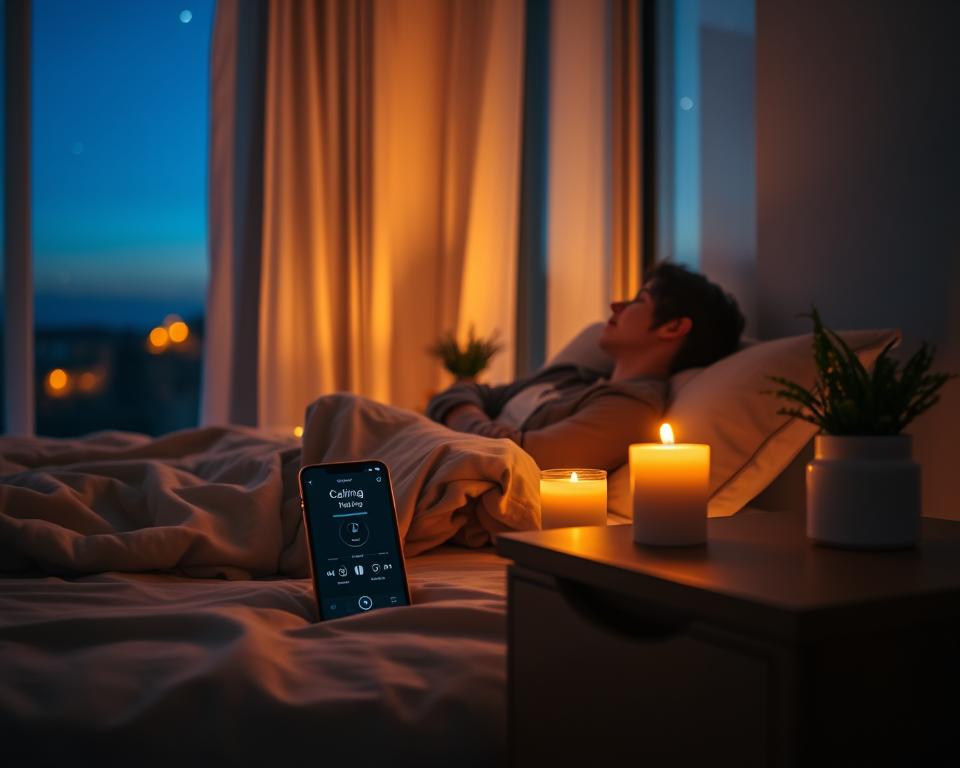
For nights when your mind races, Calm offers narrated stories and guided breathing to ease you into rest. The service focuses on audio and habit nudges rather than metrics, so you trade data for calm.
What you get
Extensive audio library: stories, guided meditations, breathing exercises, and soothing music. Use mood filters to surface options that match how you feel before bedtime.
Who it’s for
Choose Calm if your top goal is to fall asleep and reduce pre-bed anxiety. Testers found the narrations very soothing, and simple journaling tools—like gratitude checks—help anchor an evening routine.
- Winding-down focus: stories and meditations designed to help you fall asleep and relax.
- Use mood filters to drift off asleep faster when stressed or wired.
- It doesn’t return nightly metrics, so it’s perfect if you want quiet instead of data.
- Pricing: about $79.99/year or $399.99 lifetime, with a 7-day trial and bedtime reminders.
- Try the trial to see if narrated content gives you better sleep on busy nights.
PrimeNap: free Android option with smart alarms and a dream journal
PrimeNap gives Android users a zero-cost way to see stages and set a gentle wake window. You get REM, light, and deep stage breakdowns plus an overall quality score without a subscription.
Why it’s compelling: sleep stages on a budget
You’ll appreciate simple, honest features. PrimeNap includes a 30-minute smart alarm that tries to wake you during light sleep so you may feel more refreshed.
The built-in sound library and a dream journal help you link nightly dreams to how you felt the next day.
Heads-up: manual start/stop and a clunky interface
PrimeNap is free, but testers flagged the UI as clunky. That means some menus feel dated and you may spend extra time navigating settings.
Also, the app requires manual start and stop for accurate tracking, so forgetful mornings can create gaps in your data and time records.
“Great value for Android users who want stage details without paying.”
- Free, no subscription: stage estimates and a smart alarm at zero cost.
- 30-minute wake window: designed to catch lighter phases and improve morning feel.
- Dream journal: a quick tool to spot patterns between dreams and daytime mood.
- Trade-offs: manual controls and an awkward interface are the main compromises.
SleepWatch and Sleep Reset: coaching, sounds, and deeper programs
Two distinct options meet different needs: one is wrist-first for nightly capture; the other is coaching that feels like a clinic. Pick the path that fits your time and goals so you get practical results.
SleepWatch: tight Apple Watch integration and nighttime recorder
If you wear an Apple Watch, this app syncs closely with your device. It logs heart rate and motion, records nighttime sounds, and offers white-noise playback to nudge better rest.
Cost and trial: $4.99/month or $39.99/year with a 7‑day trial so you can test features risk-free.
Sleep Reset: virtual clinic with coaching
This program provides multi-week coaching and structured advice that mimics a clinical pathway. It costs about $297/month and may be covered by some insurance plans.
Who it helps: choose it if you want guided care rather than a basic tracker-first tool. The coaching focuses on habits, routines, and measurable progress using your health data.
- You’ll see how an Apple Watch gives richer nightly signals than a phone for trend analysis.
- Consider trials and pricing to try SleepWatch before you commit.
- Evaluate Sleep Reset when you want ongoing coaching that feels clinical and personalized.
Apple Watch or phone-on-nightstand: which tracking path should you take?
Deciding between a wrist device and a phone on your nightstand comes down to the trade-off between richer signals and simple, low-friction routines.
Accuracy trade-offs: heart rate and respiratory data vs. motion and audio
Wearables capture heart rate and breathing patterns that improve stage estimates and overall data quality.
Phones rely on motion and audio, which work well for trends but miss physiological detail. SleepScore needs correct phone placement to perform at its best.
Your comfort and routine: what you’ll actually use nightly
Pick the path you’ll keep using. Wearing an Apple Watch gives richer data in Sleep Cycle, Pillow, and SleepWatch, but some people dislike charging or wearing a device overnight.
Placing a phone on a nightstand is low effort and still useful for long-term trends. Consistency matters more than perfect precision.
| Method | Typical signals | Best for |
|---|---|---|
| Apple Watch | Heart rate, motion, respiration | Higher fidelity metrics and coaching |
| Phone on nightstand | Microphone, accelerometer | Easy setup and trend tracking |
| Hybrid | Phone + watch sync | Balance of comfort and detail |
Smart alarms, sleep stages, and waking up refreshed
A well-timed wake window can make your first hour awake feel clearer. Gentle alarms aim to nudge you during lighter phases so you spend fewer minutes groggy after rising.
How gentle wake windows may help you feel better in the morning
Why it works: waking from a lighter phase often feels easier than pulling yourself out of deep rest. Testers and experts note that a brief wake window reduces sleep inertia for many people.
- Target lighter parts: a smart alarm looks for lighter stages of your sleep cycle so the alarm sounds in a gentler moment.
- Window length: PrimeNap uses a 30‑minute wake window; SleepScore and Sleep Cycle also include gentle alarm options.
- Set it up: enable the smart alarm in your chosen app, pick a 20–30 minute window, and confirm phone placement for consistent motion or sound detection.
- Compare and adjust: try different windows and note morning clarity over two weeks, then tweak the time if needed.
Quick tip: keep your device steady on the nightstand for better tracking and cleaner data. That small step helps alarms find the right moment to wake you.
Pricing and trials in the US: what to expect before you buy
Before you pay, know which features and price points match your nightly goals.
Many services give a free tier or trial so you can test core features for a short time. You’ll find clear annual savings versus monthly fees, and premium plans that add coaching, deeper data, or integrations with health platforms.
Free vs. premium tiers and typical costs
- Sleep Cycle: $39.99/year.
- Pillow: $9.99/month or $39.99/year with a 7‑day trial.
- Calm: $79.99/year or $399.99 lifetime; 7‑day trial.
- SleepWatch: $4.99/month or $39.99/year with a 7‑day trial.
- SleepScore: $6/month or $50/year; free tier limits features.
- PrimeNap: free; good entry-level option.
- Sleep Reset: ~$297/month; some insurance may help.
Where trials are offered and how to evaluate value quickly
Use the trial time to test daily use, data clarity, and whether insights lead to real change. Check how an app works on your phone and, if you wear a watch, compare results with wrist data.
| Plan | Price (US) | Try first |
|---|---|---|
| Sleep Cycle | $39.99/yr | No free trial |
| Pillow | $9.99/mo or $39.99/yr | 7‑day trial |
| Calm | $79.99/yr or $399.99 lifetime | 7‑day trial |
Quick advice: weigh annual discounts against monthly flexibility and decide if watch-enabled features justify a premium plan for your routine and health goals.
Privacy, transparency, and medical caveats you shouldn’t ignore
Before you share nights with a service, understand what the company collects and why it matters.
Read policies carefully. Look for what raw metrics and personal identifiers are stored, whether data is sold, and how you can opt out.
Reading policies, opting out, and HIPAA notes
Most consumer offerings are not HIPAA-covered. That means your health-related data may be treated as general product data rather than protected medical records.
- Disable optional sharing before you sign up.
- Export or delete old records if you stop using an app.
- SleepScore’s policy is clear and includes a 30‑day Doctor Report you can share with clinicians.
When to see a doctor: persistent poor sleep or suspected disorders
Apps cannot diagnose conditions. But repeated awakenings, loud choking sounds, or long-term poor sleep are signs you should seek care.
“Patterns are signals; clinicians use reports to guide next steps.”
Use exported reports or the Doctor Report as a concise snapshot for your clinician. For more context on clinical links and outcomes, see this research review.
| What to check | Why it matters | Action |
|---|---|---|
| Data sharing rules | Controls who sees your info | Opt out of marketing; delete if possible |
| HIPAA status | Shows legal protections or lack thereof | Assume minimal protection unless stated |
| Export options | Makes clinical visits efficient | Download 30 days of data to share |
Make your data actionable: build better sleep hygiene with your app
Turn nightly insights into small, testable changes that actually improve how you feel each morning. Use the report to pick one habit and refine it over a week.
Daytime habits, evening wind-downs, and bedroom environment
Daytime choices shape night results. Cut late caffeine and move intense workouts earlier to help improve rest.
Evening rituals matter too. Calm offers bedtime reminders and meditations that cue your body to slow down.
Use SleepScore’s coaching tips and the Sleep Sanctuary feature to check light and noise and make small changes that add up.
Turning insights into routines you can stick with
Practical steps:
- Translate one nightly metric into a single tweak — bedtime, caffeine, or screen time.
- Build a steady wind-down: reminders, brief meditations, or quiet reading before bedtime.
- Use environment checks to dim lights and reduce noise for better rest.
- Pick one habit at a time so your routine is realistic and sustainable.
- Track weekly changes and use the app’s feature set to keep momentum going.
“Small, consistent changes matter more than overnight overhauls.”
Quick comparison snapshots by platform and needs
A short platform guide helps you zero in on the best option for your bedside setup. Pick the path that fits your routine and device so you actually use it nightly.
iOS and Apple Watch users
Pillow gives tidy visuals and Health sync for clear week-to-week comparison.
SleepWatch is watch-first and captures heart rate for richer nighttime context.
Sleep Cycle supports Apple Watch too and adds broad metrics plus a smart alarm.
Android users and free-first shoppers
PrimeNap is the go-to free choice for stage estimates and a smart wake window.
Note: it needs manual start/stop and a simple interface, so plan for a little setup each night.
Falling asleep faster vs. deep analytics
Calm focuses on wind-down audio and routines if falling asleep calmly is your top need.
If you want data and coaching, pick Sleep Cycle or SleepScore for trend reports and guided improvements.
Also factor in heart rate from an Apple Watch versus phone-only metrics when you value deep sleep and data quality.
| Platform | Recommended | Main strength |
|---|---|---|
| iOS + Apple Watch | Pillow, SleepWatch, Sleep Cycle | Visuals, heart rate, smart alarms |
| Android / Budget | PrimeNap | Free stages, smart alarm (manual start) |
| Calm-focused users | Calm | Wind-down audio, fewer metrics |
Conclusion
Focus on one practical change and the right bedside setup to see real improvement. Pick a single habit and give a chosen tool two weeks to show results.
Final takeaways: Calm excels if you want to fall asleep faster through guided wind-downs. Sleep Cycle and SleepScore deliver the kind of data and coaching you can act on. Pillow and SleepWatch shine when you wear an Apple Watch. PrimeNap is a solid free starter for Android.
Keep habits simple. Prioritize consistent bedtime, use a gentle alarm, and aim to boost deep rest and clear sleep stages rather than chasing perfect numbers. Stick with one setup—watch or phone by the bed—and let small changes add up to better mornings.